
10 most Important Factors For Deep Sofa Cleaning in Singapore
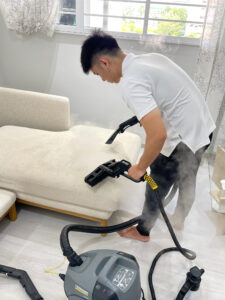
A sofa is one of the most used furniture pieces in any home. Whether it is for resting after work, watching TV, hosting guests, or spending time with family, your sofa collects dust, sweat, body oils, food crumbs, stains, allergens, and odours over time. In Singapore’s humid climate, these issues can build up even faster, especially for fabric sofas.
That is why Sofa Cleaning in Singapore is not just about making your sofa look clean. Proper Sofa Deep Cleaning helps remove hidden dirt, improve hygiene, reduce odour, and extend the lifespan of your furniture. If you have been wondering how to clean a sofa properly, here are the 10 most important factors to consider before choosing between DIY cleaning and professional Sofa Cleaning Services.
1. Sofa Material and Fabric Type
The first factor to consider is the sofa material. Fabric, leather, suede, velvet, and synthetic upholstery all require different cleaning methods. Fabric Sofa Cleaning Singapore services usually involve deeper extraction because fabric traps more dust, moisture, and stains compared to leather.
Using the wrong cleaning method may cause watermarks, colour fading, shrinkage, or damage to the upholstery. Before attempting any Sofa Washing Singapore method, always check the sofa care label and understand the fabric type.
2. Type of Stains on the Sofa
Different stains require different treatment. Food stains, drink spills, sweat marks, ink, oil, pet urine, and mould-related stains cannot be treated the same way. For example, pet urine sofa cleaning requires more than just surface wiping because the odour and bacteria may penetrate deeper into the cushion.
If you want to remove sofa stains effectively, it is important to identify the stain type first. Professional sofa stain removal Singapore services usually pre-treat stains before deep cleaning to improve the chances of removal.
3. Dust, Dirt, and Dust Mites
Even if your sofa looks clean, it may still contain dust, dead skin cells, dust mites, and other allergens. This is especially common in homes with children, pets, or heavy daily sofa usage.
Regular vacuuming helps, but it may not be enough for deep-seated dirt. Dust mite sofa cleaning and professional Upholstery Cleaning Singapore services can help remove embedded particles that normal home cleaning methods often miss.
4. Odour Problems
Sofas can trap odours from sweat, food, pets, smoke, and moisture. Spraying air freshener may cover the smell temporarily, but it does not solve the actual problem.
To properly remove odour from sofa surfaces and cushions, the cleaning process must target the dirt, bacteria, and residue causing the smell. This is one major reason why homeowners look for Professional Sofa Cleaning Singapore instead of relying only on DIY methods.
5. Cleaning Method Used
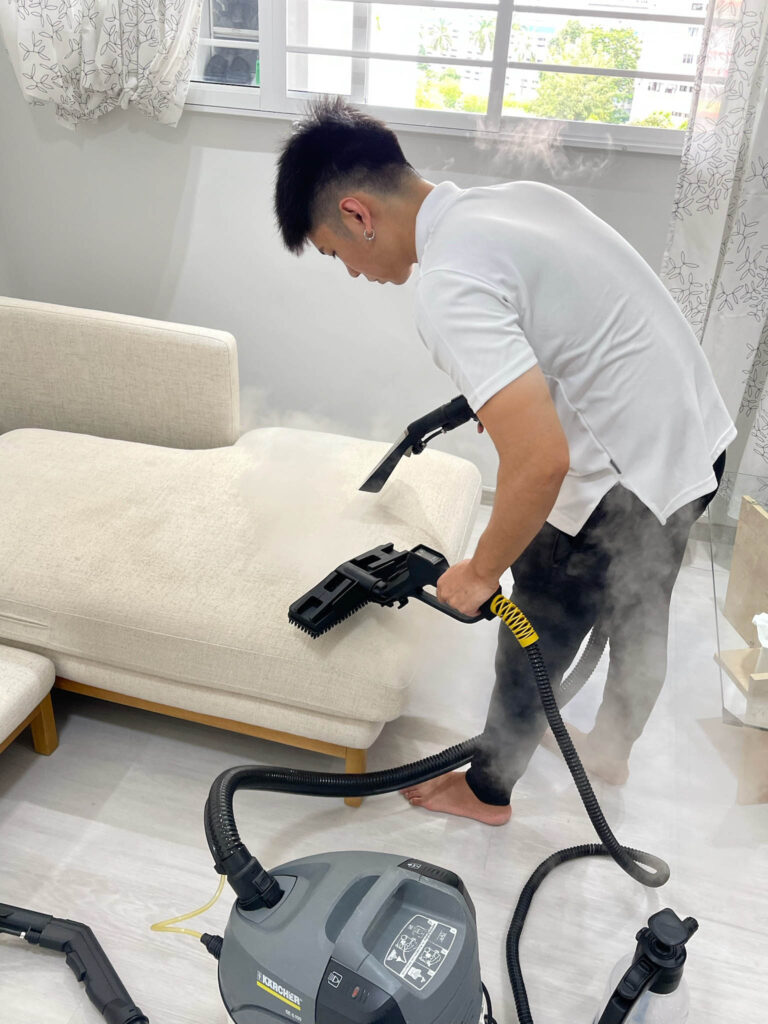
There are different ways to clean a sofa, including steam cleaning, shampoo extraction (deep cleaning), low-moisture cleaning, and dry cleaning. Sofa Steam Cleaning Singapore may help with sanitising, while Sofa Shampoo Singapore or extraction cleaning may be more suitable for removing embedded dirt and stains from fabric sofas.
However, not every sofa is suitable for every method. A reliable Sofa Cleaning Service provider in Singapore should inspect the sofa before deciding on the most suitable cleaning approach.
6. Moisture Control During Cleaning
One of the most common mistakes in DIY sofa cleaning is using too much water. Excessive moisture can seep into the cushion, causing slow drying, musty odours, or even mould growth.
This is especially important in Singapore’s humid weather. Proper deep cleaning fabric sofa methods should use controlled moisture and strong extraction to remove dirty water and cleaning residue as much as possible.
7. Cleaning Products and Chemical Safety
The cleaning solution used on your sofa matters. Harsh chemicals may damage the fabric, leave sticky residue, or irritate sensitive skin. For homes with babies, elderly family members, pets, or allergy-sensitive individuals, it is important to use upholstery-safe cleaning products.
Professional Sofa Cleaning Services should use suitable cleaning solutions based on the sofa material and ensure that residue is properly extracted after cleaning.
8. Drying Time After Sofa Cleaning
Drying time is another important factor. If the sofa remains damp for too long, it may develop a musty smell. The drying duration depends on the material, cleaning method, ventilation, room temperature, and humidity.
After Couch Cleaning Singapore, homeowners should keep the area well-ventilated. Turning on fans, opening windows, or using air-conditioning can help the sofa dry faster and reduce moisture-related issues.
9. Cleaning Frequency
Many homeowners ask, how often should I clean my sofa? For most households, professional sofa cleaning every 6 to 12 months is a good general guideline. However, homes with pets, young children, frequent guests, or visible stains may require more regular cleaning.
If the sofa is heavily used or looks dull and smells unpleasant, it may be time to arrange for dirty sofa cleaning before the stains and odours become harder to remove.
10. Professional Equipment and Experience
DIY cleaning may help with light surface dirt, but it often cannot remove deep stains, odours, allergens, and embedded grime effectively. Professional couch cleaning near me searches are common because homeowners want convenience, proper equipment, and better cleaning results.
A trained team offering Sofa Cleaning in Singapore will know how to inspect the sofa, test the fabric, apply the right cleaning method, manage moisture, treat stains, and reduce the risk of damage. This makes professional cleaning a safer and more effective choice for long-term sofa maintenance.
Key Takeaways
Deep sofa cleaning is more than simple surface wiping. It involves understanding the sofa material, stain type, odour source, cleaning method, drying process, and hygiene needs of your home.
If you are searching for the best way on how to clean a sofa, DIY methods may be useful for light maintenance. However, for stubborn stains, trapped odours, dust mites, and heavily used sofas, professional Sofa Deep Cleaning is often the better option.
A properly cleaned sofa looks fresher, smells better, feels more comfortable, and contributes to a cleaner living environment. For homeowners looking for reliable Sofa Cleaning Services or Couch Cleaning Singapore, choosing an experienced team can make a noticeable difference in both hygiene and sofa lifespan
We don’t recommend you to DIY sofa cleaning yourself, as it is highly complicated, have risks on damaging or worsening its condition and are very time-consuming. Moreover, our professional couch and sofa cleaning services are reasonably priced to save you the hassle. However, if you insist, you may checkout this comprehensive guide from NTUC Fairprice for a detailed breakdown and items you require.