
Can Professional Sofa Cleaning Remove Every Stain? What Customers Should Expect
A stained sofa can make an otherwise clean living room look neglected. Many customers therefore expect professional sofa cleaning to restore the upholstery to a completely spotless condition. Professional equipment and trained technicians can often produce a major improvement, but no honest cleaning company should promise that every stain will disappear.
The final sofa cleaning results depend on the stain, the fabric, how long the stain has been present and what was previously applied to it. Cleaning can remove dirt and contaminating substances, but it cannot always reverse permanent colour loss, fibre damage or changes to the fabric itself.
The Difference Between a Spot, a Stain and Fabric Damage
A spot is usually material sitting on or between the fibres, such as food residue, dirt or a recent drink spill. If it has not permanently changed the fabric, professional sofa stain removal may be able to extract most or all of it.
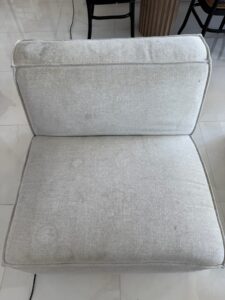
A stain occurs when a substance has bonded with, dyed or chemically altered the fibres. Fabric damage is different again. Bleach marks, sun fading, abrasion, burns and colour loss are not simply dirt that can be washed out. Cleaning may improve the surrounding area, but it cannot restore missing dye or repair damaged fibres.

This is why two marks that look similar can respond very differently during fabric sofa cleaning.
What Affects Sofa Stain Removal Results?
Several factors determine whether stubborn sofa stains can be removed:
Type of stain: Water-based spills, surface dirt and some fresh food stains are often more responsive than ink, dye transfer, body oil, blood, urine or stains containing strong colouring agents.
Age of the stain: Old sofa stains usually become harder to treat because the substance has had more time to settle, oxidise or bond with the fabric.
Sofa material: Polyester, cotton, linen, velvet, viscose and blended upholstery do not react in the same way. A treatment suitable for one material may cause watermarks, texture changes or colour bleeding on another.
Previous cleaning attempts: Scrubbing, over-wetting or unsuitable household products can spread the mark, set the stain or remove some of the sofa’s original colour.
Depth of contamination: A spill may pass through the upholstery and enter the foam or inner filling. The IICRC’s upholstery care guidance notes that liquid contamination such as urine can penetrate beneath the fabric into cushion filling and structural materials, making complete treatment more difficult.
Which Sofa Stains Are the Hardest to Remove?
Every sofa and stain is different. However, professional sofa cleaning may have limited results on:
- Old blood, urine and vomit stains
- Ink, hair dye and fabric dye transfer
- Heavy body oil accumulation
- Watermarks on sensitive materials
- Stains previously treated with unknown chemicals
- Bleach marks and permanent colour loss
- Heat damage, sun fading and worn fabric
Blood is often particularly difficult once it has aged or received unsuitable treatment. Urine can also leave visible discolouration and odour beneath the surface. Even when the mark becomes lighter, contamination deeper in the cushion may affect the overall result.
Professional upholstery-cleaning guidance also distinguishes between removable contamination and permanent conditions such as fading, colour loss, fibre distortion and physical damage. Aggressive treatment can increase the risk of bleeding, watermarks or further fabric damage, which is why stronger treatment is not always the safest option.
What Happens During Professional Sofa Cleaning?
A responsible technician should first inspect the sofa’s fabric, condition, stains and previous damage. The method may include dry extraction, steam treatment, spot shampooing and wet extraction, depending on the upholstery and service selected.
During professional sofa stain removal, the technician may test a small area and use targeted products suitable for the likely stain type, though this step may be skipped by a highly experienced specialist and based on experience. The objective is to clean sofa fabric as thoroughly as reasonably possible without causing damage through excessive moisture, heat, agitation or strong chemicals.
Three Butlers provides professional sofa cleaning services in Singapore for fabric sofas, couches, recliners and other upholstered seating. The process is intended to remove embedded dirt and treat visible marks while protecting the material as far as possible.
How Customers Can Improve the Chances of Better Results
Act quickly after a spill, but avoid aggressive scrubbing. Blot excess liquid with a clean, absorbent cloth and check the manufacturer’s care instructions before applying any product. Do not mix cleaning chemicals or repeatedly soak the affected area. However, we do not recommend our customers to perform any DIY sofa cleaning methods as it might worsen the condition, or make it tougher for us to perform the fabric sofa cleaning. Attempting to absorb the stain-causing liquid is sufficient.
Before the appointment, tell the cleaning team what caused the stain, approximately how old it is and what products have already been used. Accurate information helps the technician select a safer and more appropriate treatment.
Photos of the affected areas can also be provided before booking. While photographs may help with an initial assessment, the final condition and likely results can usually only be determined after an on-site inspection.
Realistic Expectations Lead to Better Sofa Cleaning Results
Professional sofa cleaning can significantly improve the appearance, freshness and overall cleanliness of a sofa. Many stains may be removed or made much less noticeable. However, complete stain removal is never guaranteed, especially for old sofa stains, permanent discolouration or damage within the fibres. At Three Butlers, we always attempt our best to restore the original glory of our customers’ sofa.
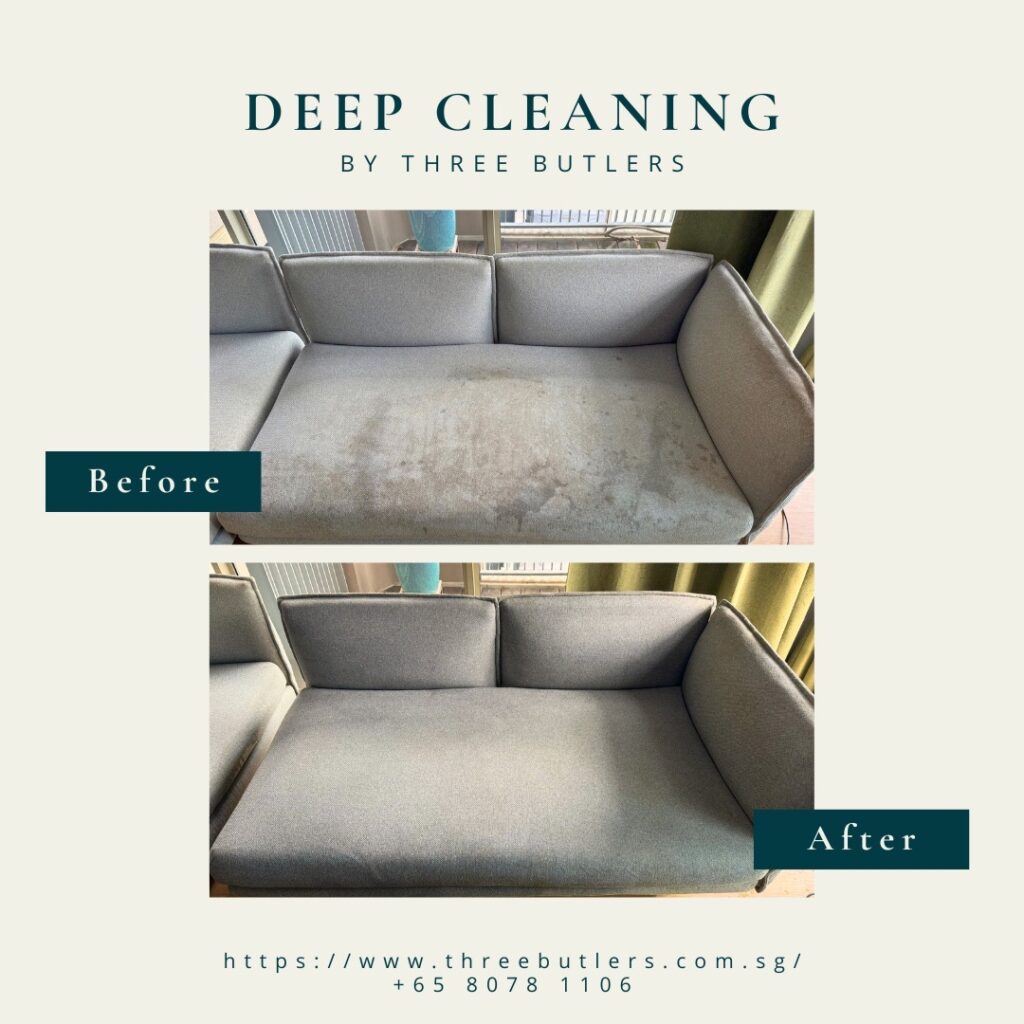
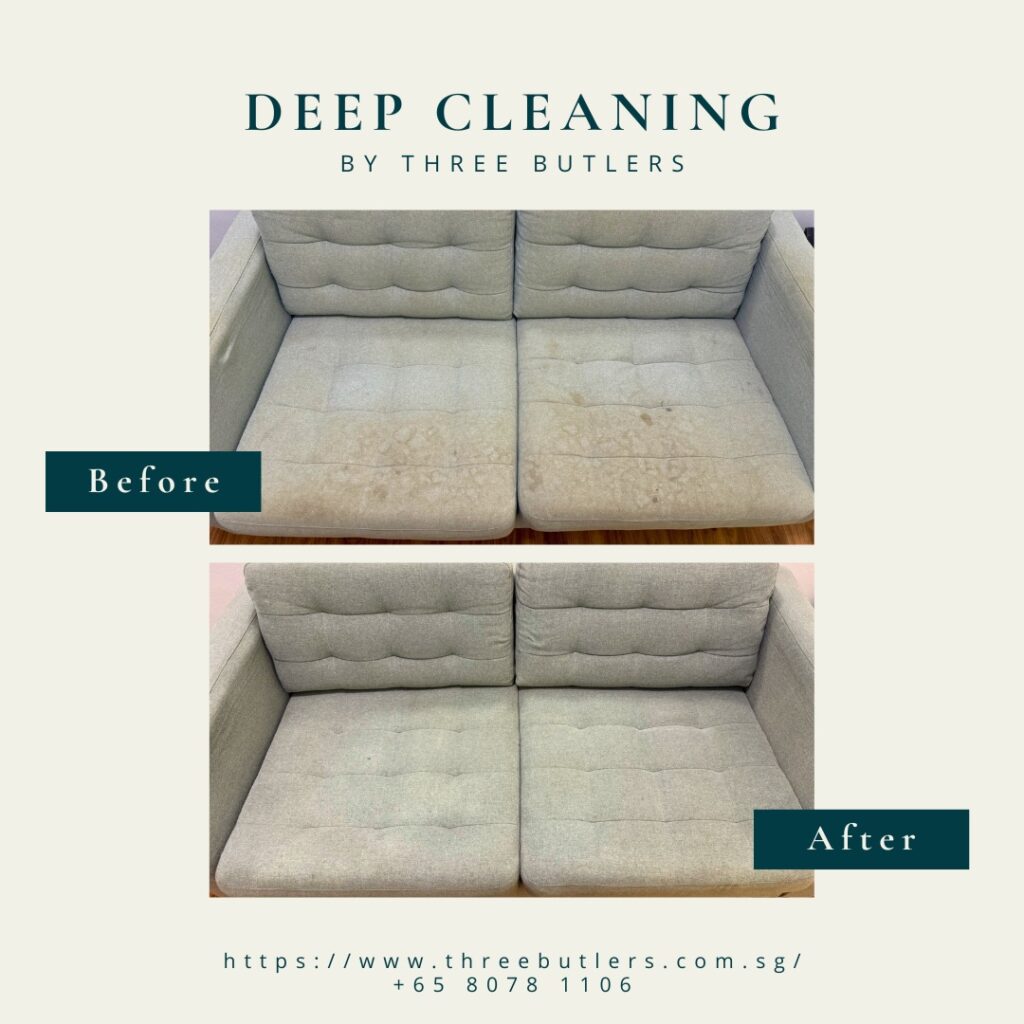
The best approach is early treatment, honest communication and a proper inspection before work begins. A professional cleaner should explain the likely outcome clearly rather than promise a perfect result that the fabric may not allow.